
A Complete Guide to Pet Care

A Complete Guide to Pet Care? Taking care of a pet can be a huge responsibility and most owners will at some point feel like something isn’t right. We have created a range of guides at PetWealthCare to cover the most commonly asked questions. This post will help you find the right guide quickly.
The first thing any new owner should have in place is a good vet. When choosing a vet, you should consider factors such as how close they are, what their opening times are, do they offer out of hours service and what their costs are. It is also important to see if you get on well with the vet and feel comfortable asking them questions. Try to visit the practice before anything goes wrong to see how they deal with animals. This makes it much easier when something does go wrong.
I have had Guo for ten years. I do not know his breed, but I know him well: he eats a mix of meat and dog food three times a day, and he is a copycat who wants whatever I have. I named him Guo because I love Chinese language and culture. Ten years of daily care, a few scares and a lot of love are behind this guide.
How to Choose a Vet for Your Pet?
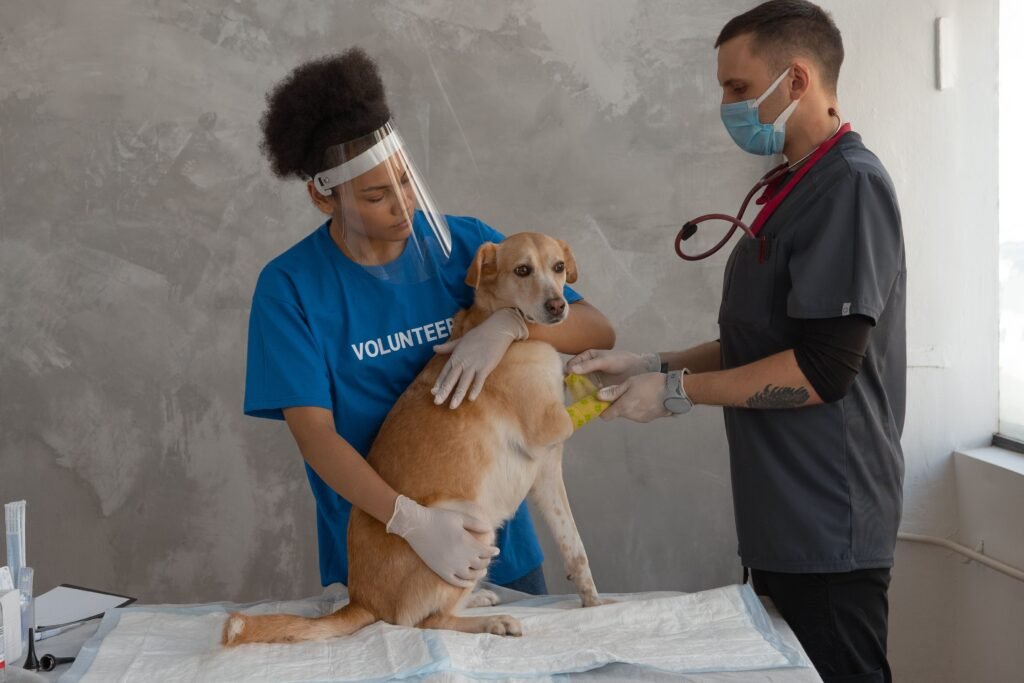
Having regular check-ups with your vet can be the easiest way to ensure your pet stays healthy. Many illnesses can develop slowly and your vet will often be able to spot any weight gain, tooth pain, heart murmurs or lumps before you will notice any issues. Most pets should be seen once a year. Older animals may need more regular visits. It is much cheaper to catch any issues early.
Benefits of Regular Pet Check-ups and Wellness?
Vaccinations help to keep your pet protected from serious illnesses, some of which can be fatal. Puppies and kittens will have their first vaccinations at a very young age with boosters required later in their lives. The vaccinations your pet will require will depend on their age, lifestyle and where you live. Your vet will be able to help create a plan. It can also help save you money as it is much cheaper to vaccinate to stop an issue developing.
Complete Guide to Pet Vaccinations?
One of the worst things any pet owner can face is losing their pet. Microchipping is one of the best ways to help. It is a small chip placed under the skin with a number linked to your contact information. If your pet is found, the vet or rescue can scan the chip and contact you. Make sure to keep your contact details updated as the microchip will not work unless you have registered them.
How Pet Microchipping Works and Why Every Pet Needs One?
Most owners will have to consider neutering their pets. Spaying and castration can prevent unwanted litters. It can also reduce the risk of certain health issues and can help with some behavioural issues such as roaming. The best time to neuter will depend on your pets species, breed and size so it is worth discussing with your vet. It can be an expense to consider but many owners consider it to be a good long term investment.
Spaying and neutering Your Pet pets | Everything You Need?
Feeding your pet the right food will form the base of their health. However there are so many options available and it can be confusing. Look for a food with a real source of protein listed at the top. It should be appropriate for your pets age and size. Avoid foods with lots of cheap fillers. Knowing how to read the labels can help you avoid being tricked. It is also worth knowing what human foods can be harmful.
Best Pet Food 2026?
Many pets suffer from being overweight. It can be easy to not spot as it develops slowly. Extra weight can cause stress on joints, heart and other organs. Usually, portion control, limiting treats and increasing exercise can help. Your vet can tell you what a healthy weight looks like and help you create a sensible plan.
How to Keep Your Pet at a Healthy Weight?
Dental care can often be overlooked. However, dental issues are one of the most common reasons for visiting the vet. Bad breath, red gums and loose teeth are all signs of dental issues. If left untreated the infection can spread and can affect other areas of the body. Brushing at home, using suitable chews and professional cleanings can help. Starting early can help your pet to get used to having their mouth handled.
Understanding Pet Dental Health and How to Care for Your Pet’s Teeth?
There is a huge industry around supplements and it can be difficult to know which ones are worth investing in. Some supplements, for example joint supplements have some evidence to back them up for specific issues. Others make grand claims with little evidence. Quality can vary greatly depending on the brand. It is best to speak to your vet first to avoid wasting money and giving something that could conflict with their medication.
The Truth About Pet Supplements: Do They Really Work?
Pets can suffer from allergies. They can be allergic to certain foods, environmental factors such as pollen and dust mites and flea bites. Signs can include excessive scratching, licking, ear issues and stomach upsets. Finding out what is causing the issue can take time as your vet may need to rule things out. Once you know what is causing the issue there are great ways to manage it.
Understanding Pet Allergies?
Skin issues are one of the most common reasons for visiting the vet with dogs. Itching, redness, hair loss and sore areas can be caused by allergies, parasites, infections and even stress. It can be tempting to try home remedies however without knowing the cause it can make things worse. Getting a correct diagnosis will mean the right treatment can start sooner and your dog will feel better quicker.
Dog Skin Conditions and How to Treat Them?
Animals can suffer from stress and fear. Signs of anxiety can include pacing, hiding, destructive behaviour, excessive barking or crying when left alone and toileting inside. Once you know what is causing the anxiety you can help by having calm routines, training and sometimes professional behaviour support or medication from the vet. There is no need to put up with it.
How to Recognize Pet Anxiety Treatment?
Many illnesses can be treated at home. Providing your pet with warmth, quiet and plenty of water. Keep a close eye on their behaviour. It is important to know what is a minor issue and what is serious. If symptoms worsen or last longer than a day or two then it is time to contact your vet.
Sick Pet Care at Home?
Even the most careful owners can have accidents. Knowing some basic first aid can help. Knowing how to deal with bleeding, choking, burns and poisoning can help keep your pet stable. First aid should not replace veterinary care but can help.
Pet First Aid Basics?
Some symptoms will need to be seen by a vet immediately. Difficulty breathing, collapsing, excessive bleeding, frequent vomiting, a swollen belly and sudden seizures will all require immediate attention from a vet. As pets can’t tell us when they’re in pain it is our job to pick up on the signs. Getting them seen quickly can save their life and often means the bill won’t be as high.
Top 10 signs pet needs emergency vet?
As pets get older they need a bit more consideration. Their appetite, energy levels and mobility can all change. They are more likely to suffer from issues such as arthritis, kidney issues and dental issues. Providing a good diet, gentle exercise, comfortable bedding and more regular vet visits can help keep them happy. Overall they will just need patience and a bit more love.
How to Keep Senior Pet Healthy and Happy?
Vet bills can come out of the blue. Pet insurance can help prepare you. Different policies will cover different things. The amount you pay per claim, the annual limit and monthly cost can all vary. The cheapest policy may not be the best option. Reading the fine print can help you understand what isn’t covered such as pre-existing conditions. Taking the time to compare a few options can save you a lot of stress.
How to Choose Pet Insurance Plan for Your Dog or Cat?
As insurance doesn’t cover everything having an emergency fund can be really useful. Simply put, putting aside a small amount of money regularly will help. Even a small amount will add up. Many owners use this alongside insurance to help with the excess or anything not covered.
How to Build an Emergency Pet Fund and Why You Need One?

Pets can incur ongoing costs such as food, vaccinations, flea and worm treatments and check-ups. Having a budget in place will help you see what you’re spending. Once you know what you’re spending regularly you can look for ways to save sensibly. Buying in bulk and keeping on top of preventative care can help. Never compromise on your pets health.
How to Create pet health budget save on vet bills?
If you’re on a budget there are ways to provide your animal with quality care. Low cost clinics, charities, payment plans and asking your vet what options you have can help. Try to get a clear estimate of what you’ll be paying. Ask if there are alternative ways to treat the issue. Cheap doesn’t have to mean poor quality. Do your research.
How to Find Affordable Veterinary Care Without Sacrificing Quality?
Every pet is different and will have different requirements throughout their life however the key points are prevention, quality food, regular vet visits and some financial planning. We hope this guide has helped you find the right article.
FAQ
What basic care does every pet need?
A balanced diet, fresh water, safe shelter, exercise, mental stimulation, grooming, preventive vet care and plenty of attention.
How often should my pet see a vet?
Healthy adult pets usually need a check-up once a year. Young and senior pets often need more visits, so follow your vet’s advice.
How much exercise does my pet need?
It depends on species, breed, age and health. Most dogs need daily walks and play, and cats need daily play. Your vet can advise on your pet.
How do I know if I am feeding the right amount?
Use the food label as a starting point, then check your pet’s body shape and adjust with your vet’s help. Our daily calorie calculator gives a general estimate.
Which signs mean something is wrong?
Changes in appetite, thirst, energy, toilet habits, breathing or behaviour that last more than a day or two are worth a call to your vet.
This article is general information, not veterinary advice. See your vet for your pet’s health needs.

Jhureza Victores is a dog owner and the writer behind Pet Wealth Care. He shares practical pet care tips and tools, inspired by his dog, Guo.